Accessibility Audit: Ensuring Digital Equality for Everyone

Sidharth Nayyar
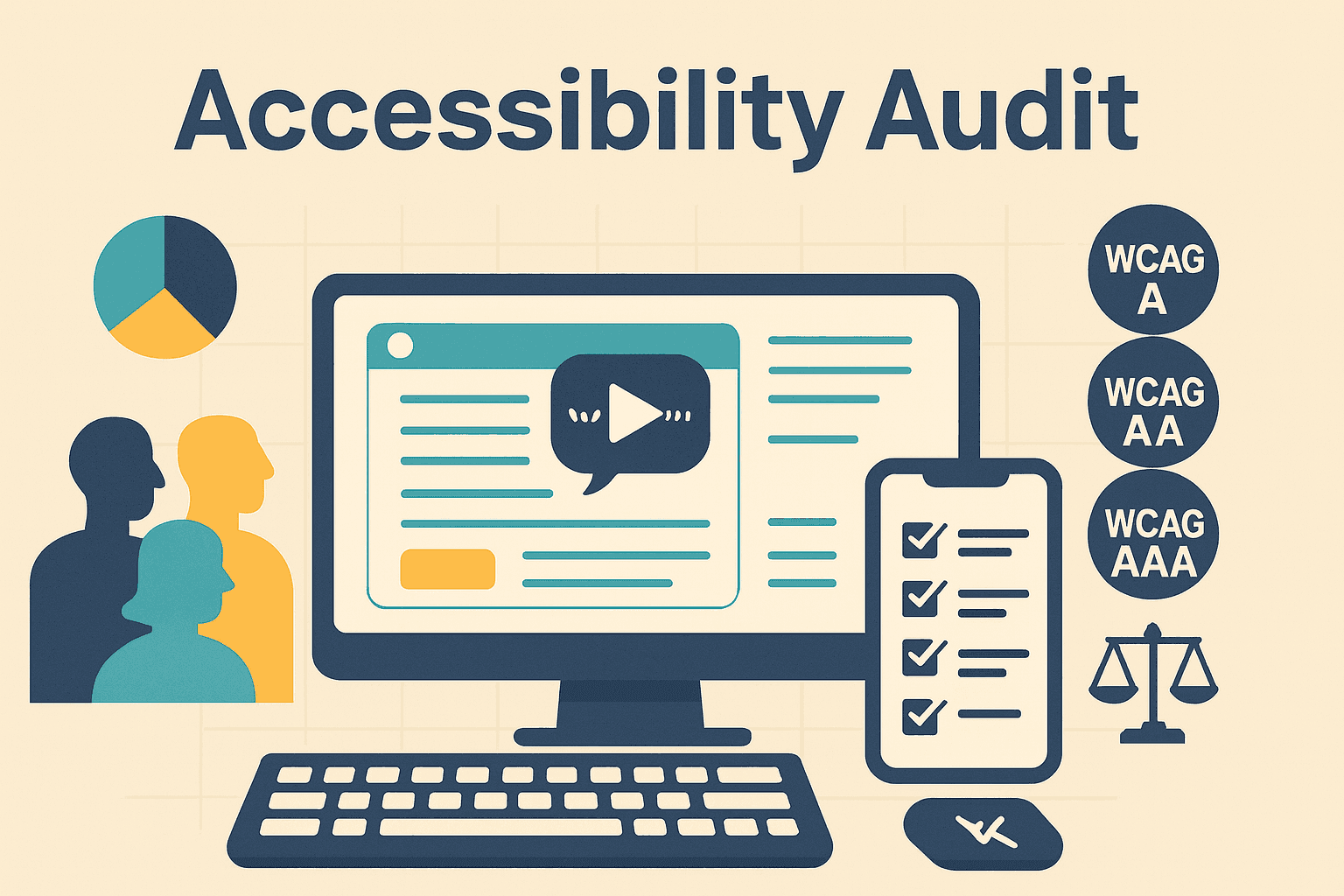
In today's digital-first world, accessibility isn't optional — it's essential. An accessibility audit helps ensure that your website, app, or digital product can be used by everyone, including individuals with disabilities. From visual and hearing impairments to motor and cognitive challenges, accessibility impacts millions of users globally.
A properly conducted accessibility audit identifies barriers, measures compliance with standards like WCAG (Web Content Accessibility Guidelines), and provides a clear roadmap for improvement. By investing in accessibility, organizations not only meet legal obligations but also create a more inclusive, user-friendly digital experience.
Why Accessibility Audits Matter
An accessibility audit is more than a compliance check — it's a commitment to inclusivity. When businesses prioritize accessibility, they expand their reach, improve usability for all users, and strengthen brand reputation.
According to global data, over one billion people live with some form of disability. Failing to provide accessible digital content means excluding a significant portion of potential users. Through regular accessibility audits, companies can remove these barriers and make their platforms truly open to everyone.
Key Benefits of Accessibility Audits
- Legal Compliance – Avoid penalties and lawsuits by aligning with WCAG and regional accessibility laws (such as ADA, Section 508, or EN 301 549).
- Enhanced User Experience – Accessibility improvements benefit all users, not just those with disabilities — improving navigation, readability, and engagement.
- Brand Reputation – Demonstrating inclusivity shows social responsibility and builds trust with your audience.
- SEO Advantages – Many accessibility best practices, such as alt text, semantic HTML, and proper heading structures, directly enhance search engine performance.
- Broader Audience Reach – Accessible design ensures that users across devices, regions, and abilities can interact with your website effortlessly.
Accessibility Audits: The Foundation of Inclusive Design
An accessibility audit systematically evaluates your website or application to determine how well it meets accessibility standards. It identifies issues, prioritizes fixes, and provides actionable insights for developers, designers, and content teams.
What Accessibility Audits Include
A professional accessibility audit generally covers:
- Automated Testing – Tools that scan for common accessibility issues, such as missing alt text, poor color contrast, or unlabelled form fields.
- Manual Testing – Expert evaluators review your site using assistive technologies like screen readers and keyboard-only navigation.
- User Testing – Real users with disabilities provide insights into actual usability challenges.
- Compliance Review – Comparing your site's accessibility against WCAG 2.1 or 2.2 success criteria.
- Reporting & Recommendations – Detailed reports with issue descriptions, severity ratings, and remediation steps.
WCAG Audit: Meeting Global Accessibility Standards
A WCAG audit is the gold standard for assessing accessibility compliance. The Web Content Accessibility Guidelines (WCAG), developed by the W3C, outline how to make digital content more accessible to people with disabilities.
WCAG Levels Explained
- WCAG A – The minimum level, addressing basic accessibility requirements.
- WCAG AA – The standard level most organizations aim for; it balances accessibility with practical implementation.
- WCAG AAA – The highest level, representing full accessibility across all criteria.
During a WCAG audit, experts review your content against these standards, ensuring compatibility with assistive technologies and compliance with legal frameworks.
Why a WCAG Audit Is Essential
A WCAG audit helps businesses:
- Identify critical accessibility barriers.
- Prevent legal risks under ADA or international accessibility laws.
- Improve usability for all audiences.
- Build a culture of inclusion within digital transformation strategies.
The Process of Conducting an Accessibility Audit
A professional accessibility audit follows a structured process to guarantee accuracy and actionable insights.
Step 1: Discovery and Scoping
The audit begins with identifying the scope — which websites, web apps, or digital assets will be reviewed. This includes defining user personas and accessibility goals.
Step 2: Automated Scanning
Automated tools detect quick wins and easily identifiable accessibility violations. However, they only catch about 30–40% of issues — which is why manual testing is critical.
Step 3: Manual Evaluation
Accessibility experts use assistive technologies to replicate real user experiences. They check navigation, focus order, ARIA labels, contrast ratios, and interactive elements.
Step 4: Compliance Mapping
Findings are compared to WCAG 2.1 or 2.2 success criteria, identifying the conformance level (A, AA, or AAA).
Step 5: Reporting and Prioritization
The accessibility audit report summarizes findings and groups them by severity — from critical barriers to minor improvements.
Step 6: Recommendations and Support
The final step includes detailed remediation guidance, collaboration with your development team, and optional follow-up testing after fixes are implemented.
Web Accessibility Audit: Improving User Experience and Compliance
A web accessibility audit goes beyond technical compliance — it's about creating equitable experiences for all users.
By testing real-world interactions, a web accessibility audit ensures that people using screen readers, keyboard navigation, or voice control can browse your site as effectively as anyone else.
Key Areas Reviewed During a Web Accessibility Audit
- Keyboard Accessibility – All features must be operable without a mouse.
- Text Alternatives – Non-text content (images, videos) must have meaningful descriptions.
- Color and Contrast – Sufficient contrast for text and interactive elements.
- Forms and Labels – Input fields must have clear labels and error messages.
- Responsive Design – Content must reflow properly on all devices.
- Navigation and Focus Management – Logical tab order and visible focus indicators are essential.
The Role of Assistive Technologies
A web accessibility audit ensures compatibility with:
- Screen readers (JAWS, NVDA, VoiceOver)
- Speech recognition tools
- Screen magnifiers
- Switch devices and alternative input methods
By validating these, organizations confirm their content is accessible to everyone.
Who Needs an Accessibility Audit?
Every organization with a digital presence should perform accessibility audits — regardless of size or industry.
However, they are especially crucial for:
- Public sector websites that must comply with accessibility legislation.
- Educational institutions offering digital learning content.
- E-commerce businesses serving diverse customers online.
- Healthcare providers sharing critical information digitally.
- Financial services managing secure, user-focused platforms.
Accessibility isn't just for compliance — it's about empathy, inclusion, and smart business.
When to Perform Accessibility Audits
Regular accessibility audits should be integrated into your digital lifecycle:
- Before launch: Identify and fix accessibility issues early in development.
- After redesigns: Ensure new design elements meet accessibility standards.
- During updates: New content or plugins may introduce accessibility barriers.
- Annually: Conduct a full WCAG audit yearly to maintain compliance and monitor progress.
Accessibility is a continuous process, not a one-time task.
Automated vs. Manual Accessibility Audits
While automated tools are useful, they can't replace human expertise.
- Automated audits quickly scan pages for common issues (e.g., missing alt text, empty links).
- Manual audits involve human testers who interpret context, intent, and usability — things machines can't measure.
A balanced combination of both provides the most reliable results.
Choosing the Right Accessibility Audit Partner
When selecting a provider for your accessibility audit, look for:
- Certified accessibility experts with WCAG experience.
- A clear, structured testing methodology.
- Transparent reporting with actionable remediation steps.
- Optional re-auditing and consultation services.
A trusted partner will not only identify problems but also guide your team in building lasting accessibility awareness.
Empower Your Digital Presence with an Accessibility Audit
A comprehensive accessibility audit is the foundation of a truly inclusive digital ecosystem. It ensures your organization meets compliance standards, enhances usability, and upholds social responsibility.
From WCAG audits to web accessibility audits, every step toward accessibility brings you closer to a digital world without barriers.
Investing in accessibility today isn't just good ethics — it's good business. It shows that your brand values people over profit, inclusion over indifference, and progress over perfection.
Empower your website, empower your users — start your accessibility audit journey today.
Quick Questions
Tap to ask AI about this article