Cognitive AI and Accessibility: Enhancing Understanding and Usability
Introduction
The internet is full of information — but not everyone can access it equally. Cognitive AI is changing that. By combining artificial intelligence with accessibility principles, we can create web experiences that adapt to a user’s needs, making content easier to understand, navigate, and use. For people with cognitive disabilities, learning differences, or language barriers, this is a game changer.
At Webability, our mission is simple: to make the web more inclusive for everyone.
________________________________________
What is Cognitive AI in Accessibility?
Cognitive AI refers to AI technologies designed to mimic human thought processes such as learning, reasoning, and understanding. In accessibility, this means tools that help users:
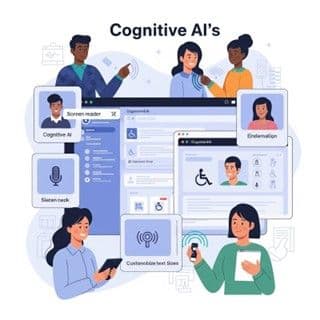
● Understand complex information through summaries or simpler language
● Navigate content easily with guided assistance
● Personalize their experience based on individual needs and preferences
Think of it as an intelligent bridge between content creators and diverse audiences.
________________________________________
Why Cognitive AI Matters for Accessibility
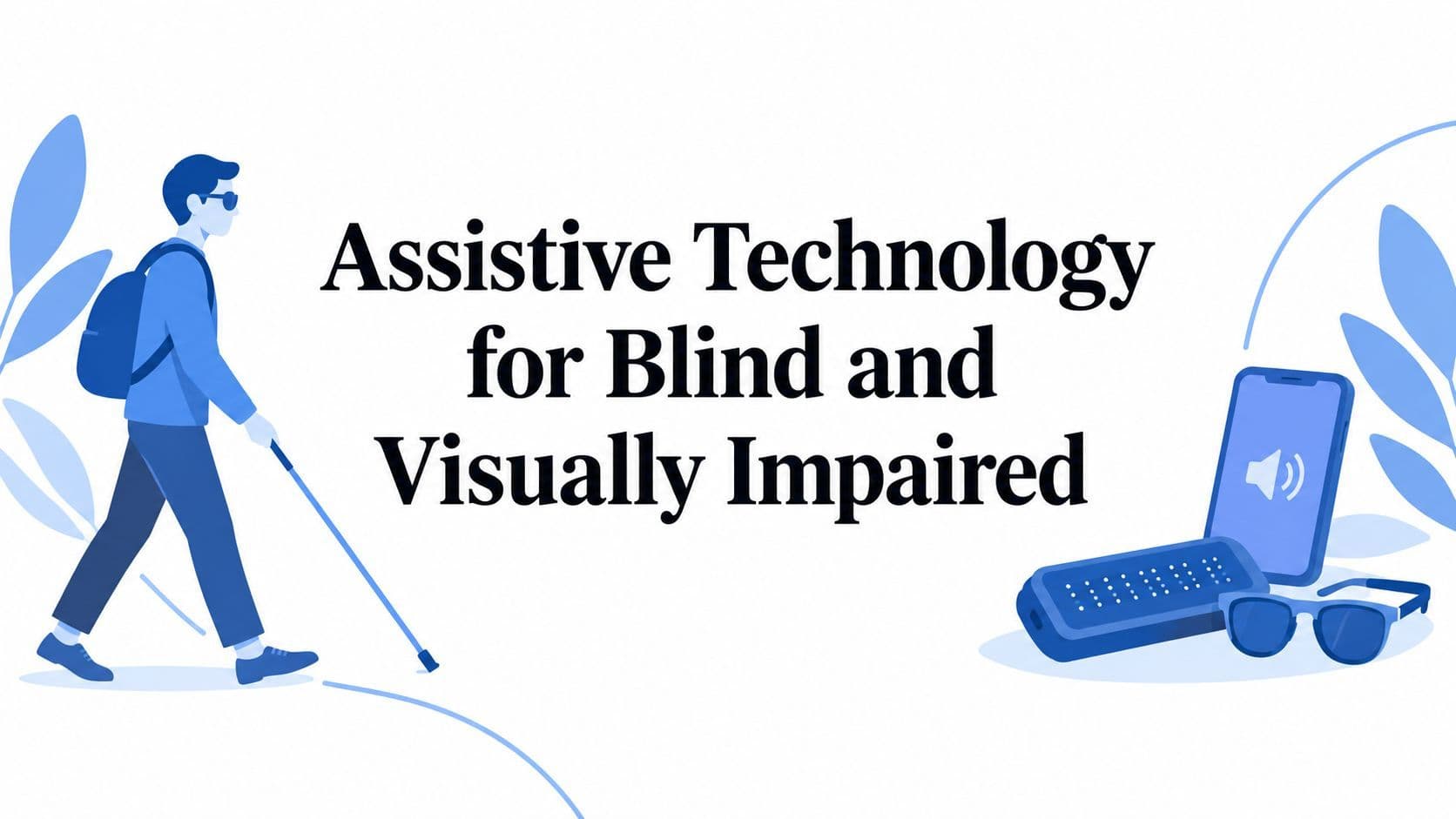
Many accessibility tools focus on physical or sensory barriers (like screen readers or voice navigation). But cognitive accessibility is equally important.
Cognitive AI can help by:
● Translating complex terms into plain language
● Breaking long content into digestible steps
● Guiding users through forms and processes interactively
● Adjusting layouts to reduce distractions for users with ADHD or similar conditions
________________________________________
Real-World Applications
1. AI-Powered Reading Assistants – Simplify and rephrase text for better comprehension.
2. Adaptive Navigation Systems – Change website layouts based on user preferences.
3. Task Guidance Tools – Step-by-step on-screen helpers for complex processes.
4. Multilingual Cognitive Translation – Go beyond literal translation to convey meaning accurately.
________________________________________
Best Practices for Implementing Cognitive AI Accessibility
If you’re integrating Cognitive AI into your website or application:
● Prioritize User Testing – Include people with diverse cognitive needs in beta tests.
● Keep Control in the User’s Hands – Let them choose AI suggestions or turn them off.
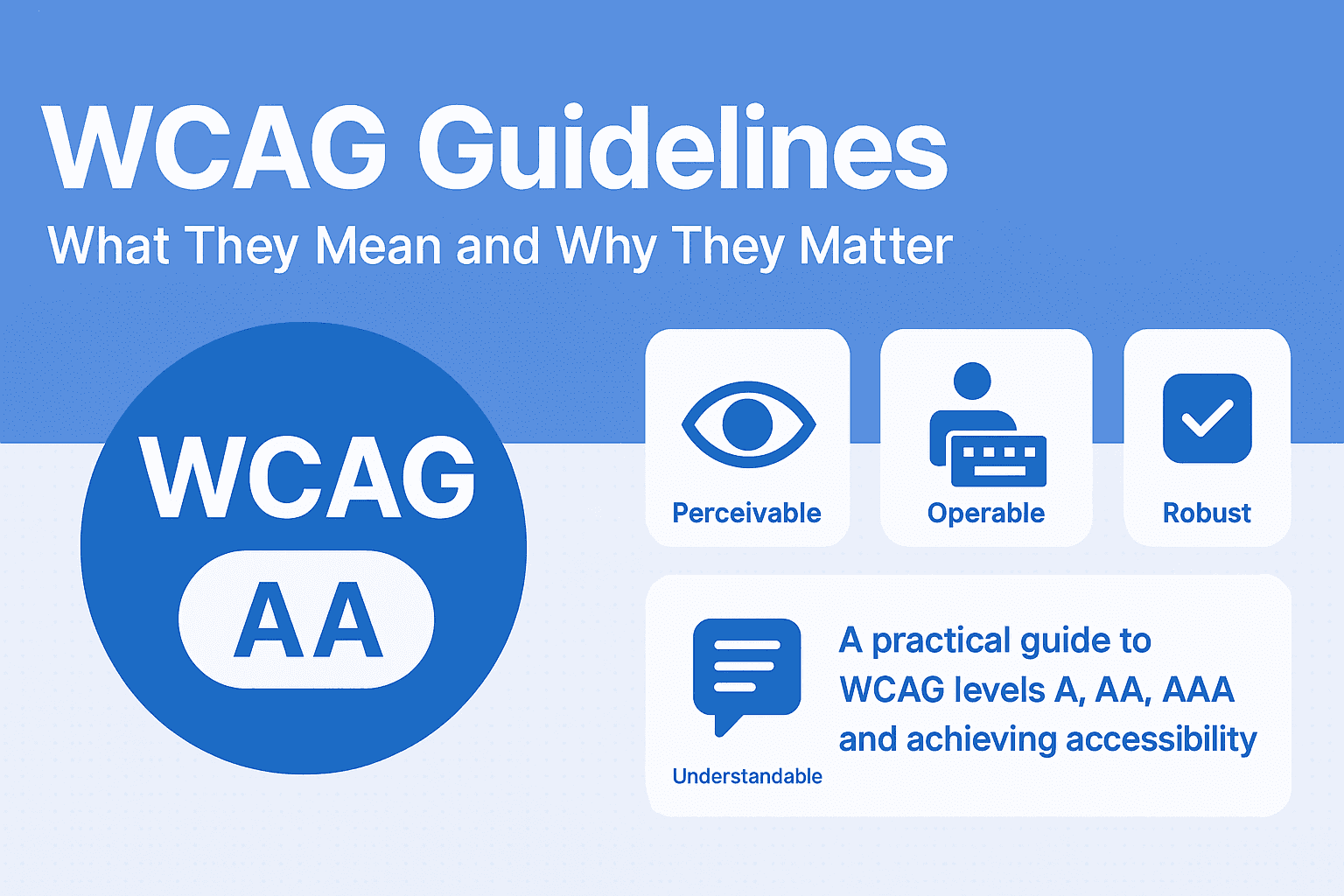
● Combine with Existing Accessibility Features – AI should enhance, not replace, WCAG compliance.
● Ensure Data Privacy – Accessibility shouldn’t compromise user security.
________________________________________
How Webability Can Help
At Webability, we specialize in building digital solutions that blend AI innovation with WCAG and ADA compliance. Our platform offers:
● AI-Powered Content Simplifiers
● Dynamic Layout Adjustments
● Voice & Chat Assistance for cognitive guidance
● Data Insights to continuously improve accessibility
Visit Us to learn how we can make your site more inclusive.
________________________________________
FAQs
Q1: How is Cognitive AI different from traditional AI in accessibility?
Traditional AI may help with automation, but Cognitive AI focuses specifically on understanding and processing information the way humans do — making it especially powerful for comprehension-based accessibility.
Q2: Does using Cognitive AI mean my site is fully accessible?
No — it’s an enhancement, not a replacement for foundational accessibility compliance.
Q3: Can Cognitive AI help multilingual users?
Yes! It can translate content in context, preserving meaning and intent, not just words.
________________________________________
Conclusion
Cognitive AI represents the next step in making the web accessible for all. By focusing on comprehension and usability, it ensures that information isn’t just available — it’s understandable.
With Webability, you can integrate Cognitive AI solutions that meet the needs of every user, no matter their cognitive or linguistic background.
________________________________________
Powered by Webability — Making the Web Work for Everyone.
Quick Questions
Tap to ask AI about this article